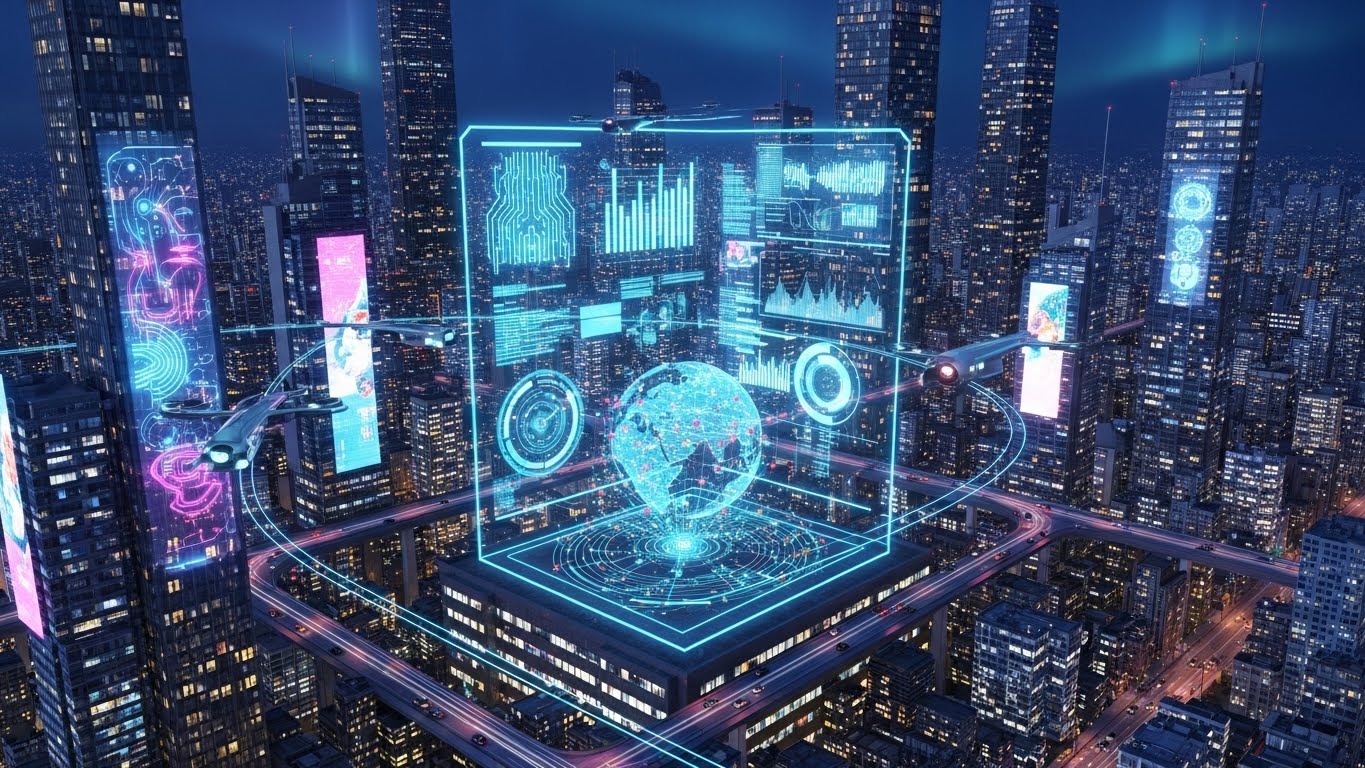
Technology has become the heartbeat of modern society. From smartphones and artificial intelligence to renewable energy and virtual reality, technological innovations are reshaping the way we live, work, learn, and interact with the world. Once a tool for solving simple problems, technology has evolved into a complex ecosystem that influences economies, cultures, education, healthcare, and even human behavior. It drives progress, empowers creativity, and connects the world in ways previously unimaginable.
This blog explores the evolution of technology, its multifaceted impact, emerging trends, challenges, and the future possibilities that lie ahead.
The Evolution of Technology
Technology has continuously evolved, reflecting human ingenuity and our desire to improve life.
From Ancient Tools to Industrial Machines
Early humans created tools to hunt, build, and cultivate land, laying the foundation for future technological development. In ancient civilizations, innovations such as the wheel, irrigation systems, and writing transformed society, enabling the efficient management of resources and knowledge.
The Industrial Revolution marked a major turning point. Mechanized production, steam engines, and railroads increased efficiency and transformed economies. Factories became the center of innovation, urbanization accelerated, and new social structures emerged.
The Digital Revolution
The late 20th century introduced the digital age, driven by computers, the internet, and mobile technology. Personal computers, email, and digital databases revolutionized work and communication. The internet connected people globally, creating access to information, enabling online commerce, and facilitating social interactions across borders.
The Era of Smart Technology
Today, technology has entered the era of smart devices, artificial intelligence, and automation. Smartphones, wearable devices, and the Internet of Things (IoT) allow seamless interaction between humans and machines. AI algorithms manage complex tasks, analyze data, and provide predictive solutions, transforming industries from healthcare to finance.
Technology and Communication
The way humans communicate has been revolutionized by technological advancements.
Global Connectivity
The internet enables instant communication across continents. Email, messaging apps, and video calls have replaced traditional communication, making it easier to maintain personal and professional relationships regardless of distance.
Social Media Platforms
Social media platforms allow people to share ideas, express opinions, and engage in communities. These platforms have redefined social interaction, marketing, and public discourse, enabling voices to reach global audiences in real time.
Remote Work and Collaboration
Digital communication tools facilitate remote work, virtual meetings, and collaborative projects. Cloud-based software and project management applications allow teams to work efficiently from different locations, improving productivity and flexibility.
Technology in Education
Technology has transformed education, making learning more accessible, interactive, and personalized.
Online Learning Platforms
Digital platforms provide access to courses, tutorials, and certifications worldwide. Students can learn at their own pace, develop new skills, and pursue education beyond traditional classrooms.
Interactive and Virtual Tools
Interactive software, virtual classrooms, and digital simulations enhance learning experiences. Teachers can incorporate multimedia content, assessments, and real-time feedback to increase engagement and understanding.
Artificial Intelligence in Learning
AI-powered tools track student progress, personalize content, and provide adaptive learning experiences. These innovations help educators identify strengths and weaknesses, tailoring education to individual needs.
Technology in Healthcare
Healthcare has been revolutionized by technological innovation, improving diagnosis, treatment, and patient care.
Advanced Diagnostics
Medical imaging technologies such as MRI, CT scans, and digital X-rays provide accurate and detailed insights into patient health. Diagnostic software aids in early detection of diseases, improving treatment outcomes.
Telemedicine and Remote Healthcare
Telemedicine allows patients to consult doctors remotely, increasing access to healthcare services. Video consultations, remote monitoring, and digital health records streamline care, making it more efficient and convenient.
AI and Robotics in Medicine
Artificial intelligence helps analyze medical data, predict disease trends, and assist in treatment planning. Robotic surgery enables precise and minimally invasive procedures, reducing recovery times and improving patient outcomes.
Technology in Business and Economy
Technology drives innovation, efficiency, and growth in global economies.
E-Commerce and Digital Transactions
Online shopping platforms and digital payment systems have revolutionized retail. Consumers enjoy convenience and variety, while businesses can reach global markets and operate efficiently.
Automation and Artificial Intelligence
Automation reduces repetitive tasks, while AI enhances data analysis, forecasting, and decision-making. Businesses optimize operations, improve customer experiences, and develop new products and services with these tools.
Remote Work and Global Collaboration
Technology enables companies to operate across borders. Teams collaborate in real time, share resources, and communicate seamlessly, creating opportunities for global innovation and productivity.
Technology and Entertainment
The entertainment industry has been completely transformed by technological innovations.
Streaming Platforms and On-Demand Content
Streaming services allow instant access to movies, music, and shows. Personalized recommendations and global libraries provide flexibility, convenience, and choice for audiences worldwide.
Gaming and Virtual Experiences
Video games, virtual reality, and augmented reality offer immersive experiences. Gamers can explore digital worlds, participate in interactive simulations, and engage with communities in ways that were impossible a few decades ago.
Digital Content Creation
Technology empowers individuals to create and share content globally. Videos, podcasts, blogs, and interactive media reach audiences directly, bypassing traditional media channels and democratizing creativity.
Technology and the Environment
While technology can strain natural resources, it also offers solutions for sustainable living.
Renewable Energy and Sustainability
Technologies in solar, wind, and energy storage are advancing sustainable energy use. Smart grids, energy-efficient appliances, and electric vehicles reduce carbon emissions and promote environmentally conscious living.
Environmental Monitoring
Sensors, satellites, and drones monitor climate patterns, pollution, and deforestation. Data-driven insights help governments and organizations implement policies for sustainable development.
Green Innovations
From eco-friendly manufacturing to digital solutions reducing paper and travel, technology can contribute to sustainability while maintaining economic growth.
Challenges of Modern Technology
Despite its benefits, technology introduces several challenges that must be addressed.
Privacy and Cybersecurity
Digital systems collect massive amounts of personal data. Protecting sensitive information and preventing cyber threats are critical in an increasingly connected world.
Digital Divide
Access to technology is unequal, with disparities between regions and socioeconomic groups. Ensuring equitable access is essential for education, employment, and participation in the digital economy.
Ethical Considerations
AI, automation, and data-driven systems raise ethical concerns about employment, decision-making, and accountability. Responsible development and regulation are necessary to maximize benefits while minimizing risks.
Overreliance and Mental Health
Excessive dependence on technology can affect mental well-being, reduce physical activity, and impact social interactions. Encouraging balanced usage is essential for individual and societal health.
Emerging Trends in Technology
The future of technology promises groundbreaking innovations and transformative possibilities.
Artificial Intelligence and Machine Learning
AI continues to revolutionize industries by automating complex tasks, analyzing vast datasets, and providing predictive solutions. Machine learning will enhance personalization, efficiency, and decision-making across sectors.
Quantum Computing
Quantum computing has the potential to solve problems beyond the reach of classical computers. It can revolutionize cryptography, drug discovery, and large-scale simulations, unlocking new scientific and industrial breakthroughs.
Space Exploration and Innovation
Advancements in aerospace technology are expanding human reach beyond Earth. Satellites, reusable rockets, and space research are opening possibilities for exploration, resource utilization, and technological development.
Integration of Virtual and Physical Worlds
The convergence of augmented reality, virtual reality, and the Internet of Things will create immersive environments, smarter cities, and enhanced human-computer interaction, transforming how people live, work, and experience the world.
Conclusion: Embracing Technology Responsibly
Technology is a powerful force shaping the present and future of humanity. It connects us, empowers innovation, improves healthcare and education, drives economic growth, and enhances entertainment and creativity. Yet, it also brings challenges such as privacy concerns, ethical dilemmas, social disparities, and overreliance.
The key to harnessing technology lies in responsible development, inclusive access, and ethical use. By balancing innovation with accountability, society can maximize the benefits of technology while mitigating its risks.
As technology continues to evolve, it will redefine possibilities, transform industries, and connect the world in ways previously unimaginable. Embracing these advancements responsibly ensures that technology remains a force for progress, empowerment, and sustainable growth, shaping a future where innovation benefits all of humanity.