Introduction: The Digital Age and Its Impact
Technology has become an inseparable part of modern life. From the way we communicate to how we work, travel, and entertain ourselves, it has transformed every aspect of human existence. The rapid advancement of technology in the last few decades has created a world that is faster, smarter, and more connected than ever before.
The digital age is not simply about gadgets or software; it is a fundamental shift in the way societies operate. Innovations like artificial intelligence, cloud computing, robotics, and the Internet of Things (IoT) have created possibilities that were unimaginable just a few years ago. This blog explores the evolution of technology, its current influence, and the potential it holds for the future.
The Evolution of Technology: From Tools to Smart Systems
The history of technology is closely linked to human progress. Early inventions such as the wheel, the printing press, and mechanical tools made life simpler and increased productivity. Each innovation laid the foundation for future advancements.
The Industrial Revolution mechanized labor and introduced mass production, altering economies and societies on a large scale. However, it was the digital revolution that truly changed the game. Computers, the internet, and software allowed humans to process, share, and store information more efficiently than ever before.
Today, technology has evolved into intelligent, interconnected systems. Smartphones, AI-powered devices, cloud platforms, and smart home technology illustrate how tools have become integrated into the fabric of daily life, enhancing productivity, communication, and efficiency.
Artificial Intelligence: Expanding Human Capabilities
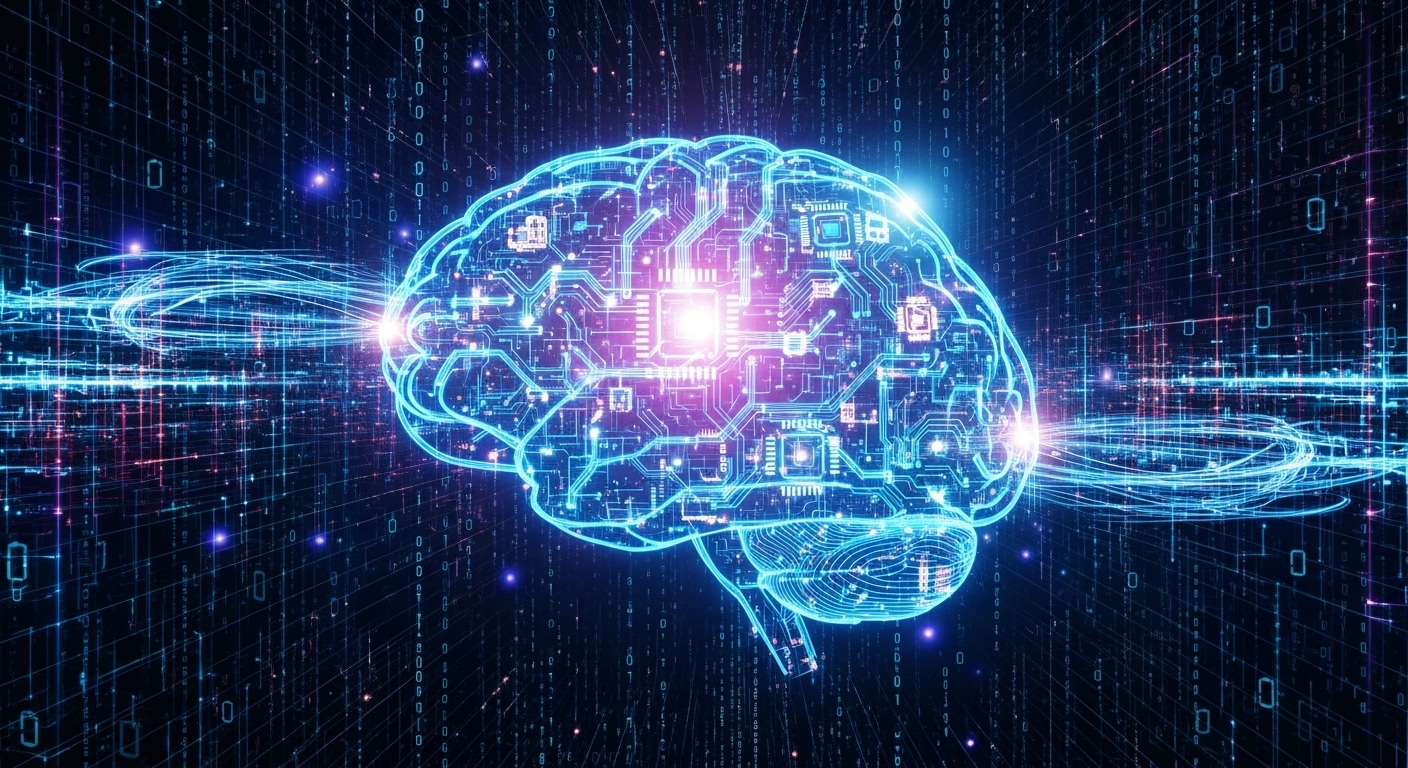
Artificial intelligence, or AI, is among the most transformative technologies of our era. AI systems analyze data, detect patterns, and make decisions, often with speed and accuracy that surpass human capability.
In healthcare, AI assists in diagnosing diseases, predicting patient outcomes, and personalizing treatment plans. Businesses use AI to optimize supply chains, improve customer service, and detect fraudulent activity. For individuals, AI powers virtual assistants, recommendation engines, and smart home devices, making everyday tasks more convenient.
AI is not only a tool but a partner that augments human intelligence. Its continued development promises advancements in scientific research, environmental monitoring, and creative industries, redefining what humans can achieve.
Robotics and Automation: Revolutionizing Work
Automation and robotics are transforming industries worldwide. Robots perform repetitive, dangerous, or precise tasks, increasing efficiency while reducing errors. In manufacturing, robotic assembly lines streamline production, and in healthcare, surgical robots enhance precision.
Beyond factories and hospitals, automation is present in logistics, agriculture, and service sectors. Autonomous vehicles, delivery drones, and automated warehouses improve operations and free humans for creative and strategic roles.
As automation expands, workers must adapt by acquiring new skills in programming, engineering, and data analysis. Lifelong learning is becoming essential to maintain relevance in a rapidly automated world.
The Internet of Things: Creating Connected Ecosystems
The Internet of Things (IoT) connects everyday devices to the internet, enabling them to collect, share, and analyze data. IoT technology has transformed homes, workplaces, and cities into intelligent, responsive environments.
Smart devices like thermostats, wearable health trackers, and security systems optimize energy use, monitor activity, and enhance convenience. In industry, IoT sensors track equipment performance, predict maintenance needs, and streamline production. Smart cities use IoT to manage traffic, reduce energy consumption, and improve public services.
IoT bridges the physical and digital worlds, creating ecosystems that are adaptive, efficient, and sustainable. This connectivity illustrates the immense potential of technology to improve both personal and societal life.
Cloud Computing: Driving Global Innovation
Cloud computing allows data, applications, and computing power to be accessed over the internet instead of relying solely on local hardware. This technology has transformed business operations, education, healthcare, and personal computing.
Organizations use cloud platforms to collaborate in real-time, manage vast amounts of data, and run complex applications without heavy infrastructure investments. Cloud computing also supports AI, IoT, and big data analytics, enabling innovation on a global scale.
By providing scalable and accessible technology, cloud computing democratizes opportunities for startups, small businesses, and large enterprises alike, fostering creativity and competition worldwide.
5G and Advanced Connectivity: Powering the Digital Future
High-speed networks, particularly 5G, are revolutionizing digital connectivity. 5G offers faster data transfer, lower latency, and the ability to connect millions of devices simultaneously, enabling technologies that were previously impossible.
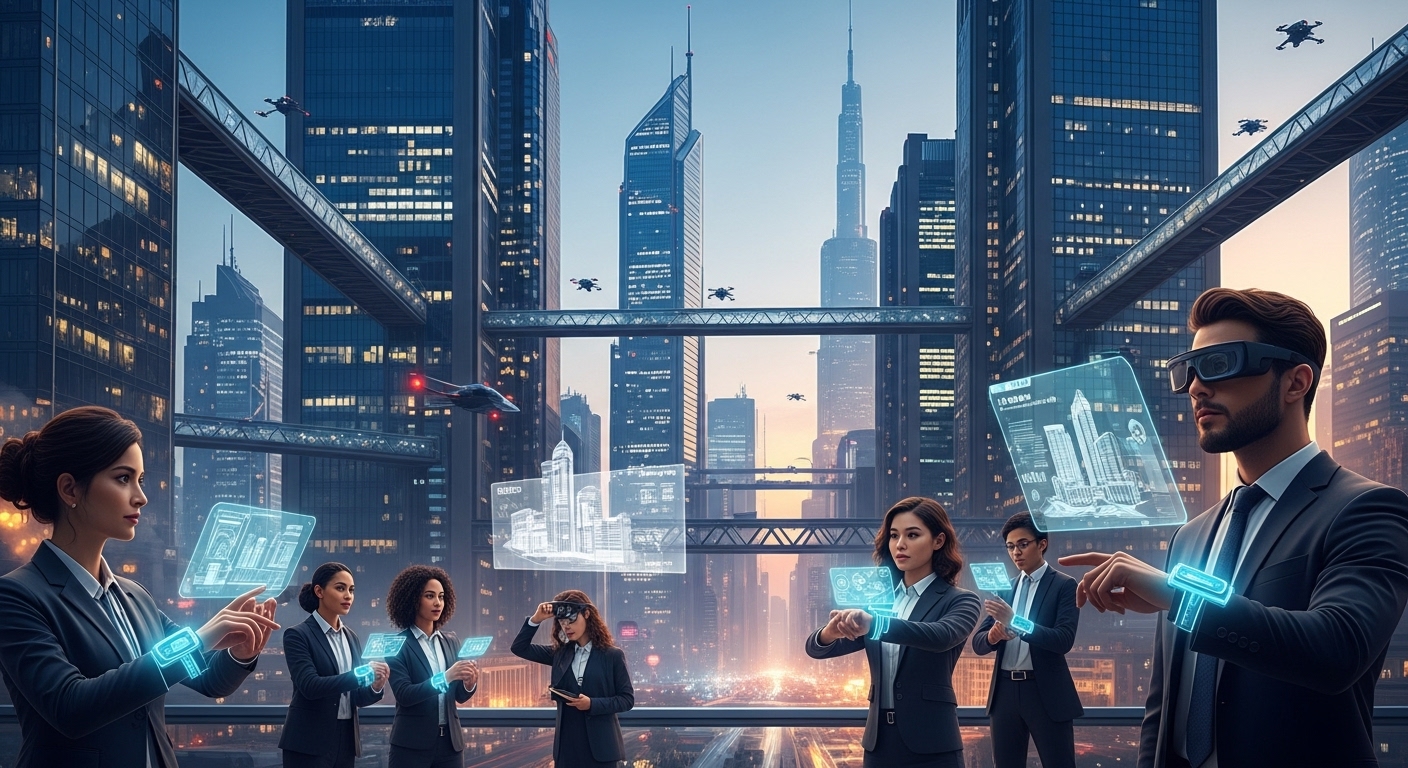
Autonomous vehicles, telemedicine, augmented and virtual reality, and smart city systems all rely on high-speed connectivity to function efficiently. 5G ensures seamless interaction between devices and systems, supporting a hyperconnected ecosystem that integrates humans and machines.
Connectivity is no longer a convenience; it is a necessity. The ability to connect devices, systems, and people in real time forms the foundation of modern innovation.
Technology in Healthcare: Saving Lives and Improving Outcomes
Healthcare has been dramatically transformed by technology. Telemedicine allows patients to consult doctors remotely, wearable devices monitor vital signs, and AI assists in diagnostics and treatment planning.
Robotic-assisted surgeries increase precision, while big data analytics enables healthcare providers to anticipate trends, manage resources, and improve patient care. These advancements empower both professionals and patients, making healthcare more accessible, efficient, and personalized.
Technological innovations in healthcare not only save lives but also improve the quality and longevity of life on a global scale.
Education and Technology: Shaping the Learning Experience
Technology has redefined education, creating learning environments that are interactive, personalized, and accessible. Digital classrooms, online courses, and educational apps allow students to learn at their own pace, regardless of location.
Teachers can monitor student performance, tailor lesson plans, and engage learners through simulations, videos, and interactive content. Virtual labs and gamified learning experiences encourage creativity, critical thinking, and problem-solving skills.
Digital education bridges gaps in access, providing quality learning opportunities to students in remote and underserved regions. The future of education is dynamic, collaborative, and fully integrated with technology, preparing learners for a digital world.
Smart Cities: Technology for Sustainable Urban Living
Urban centers are increasingly adopting smart city technologies to enhance efficiency and sustainability. Sensors, automation, and data analytics optimize infrastructure, transportation, public safety, and energy usage.
Intelligent traffic management reduces congestion, while connected utilities improve energy efficiency. Waste management systems monitor and optimize collection and recycling efforts. Smart city initiatives improve residents’ quality of life while promoting environmental sustainability.
Smart cities showcase the potential of technology to create urban environments that are not only more efficient but also safer, cleaner, and more livable.
The Future of Technology: Infinite Possibilities
The future of technology promises breakthroughs that will reshape human life. Quantum computing could solve problems beyond the reach of classical computers. AI will become more intuitive and capable of supporting advanced problem-solving and creative work.
Autonomous systems, renewable energy solutions, biotechnology, and immersive digital experiences will continue to redefine industries and lifestyles. Ethical development, privacy, and sustainability will be critical to ensuring technology serves humanity responsibly.
Technology’s potential extends beyond convenience—it has the capacity to solve global challenges, enhance human capabilities, and connect the world in unprecedented ways.
Conclusion: Embracing the Digital Frontier
Technology is no longer optional; it is central to modern life. It impacts communication, work, healthcare, education, and urban living. The ongoing digital revolution presents both opportunities and responsibilities for societies worldwide.
By embracing technological innovation thoughtfully, humans can harness its power to improve efficiency, sustainability, and quality of life. The future belongs to those who adapt, innovate, and integrate technology responsibly.
The digital frontier promises a world that is smarter, safer, and more interconnected than ever before. By leveraging the power of technology, humanity can solve complex problems, create opportunities, and unlock its full potential for generations to come.