Introduction: The New Era of Human Ingenuity
We are living in an age where technology is no longer a tool but an extension of human capability. Every sector, from healthcare to education, from agriculture to space exploration, has been transformed by the power of digital innovation. The 21st century is often called the “Digital Renaissance” because it mirrors the explosion of creativity and knowledge seen during the historic Renaissance, but this time fueled by algorithms, artificial intelligence, and global connectivity. Technology is redefining not just how we live and work, but how we think, learn, and evolve as a society.
The Evolution of Technology: From Invention to Innovation
The journey of technology began with humanity’s earliest inventions. The wheel, the printing press, and the steam engine were all milestones that changed the course of history. Yet, it was the 20th century that laid the foundation for the digital age we now inhabit. The invention of the computer in the mid-1900s revolutionized human productivity and communication. Then came the internet, which connected people across continents and democratized access to information.
The pace of technological evolution has since accelerated exponentially. What once took decades to develop can now be achieved in months. Today, emerging technologies such as artificial intelligence, machine learning, quantum computing, and robotics are leading us toward an era where automation and intelligence coexist to improve human life. The story of technology is one of constant reinvention—driven by curiosity, ambition, and the desire to overcome limits.
Artificial Intelligence: The Brain of Modern Technology
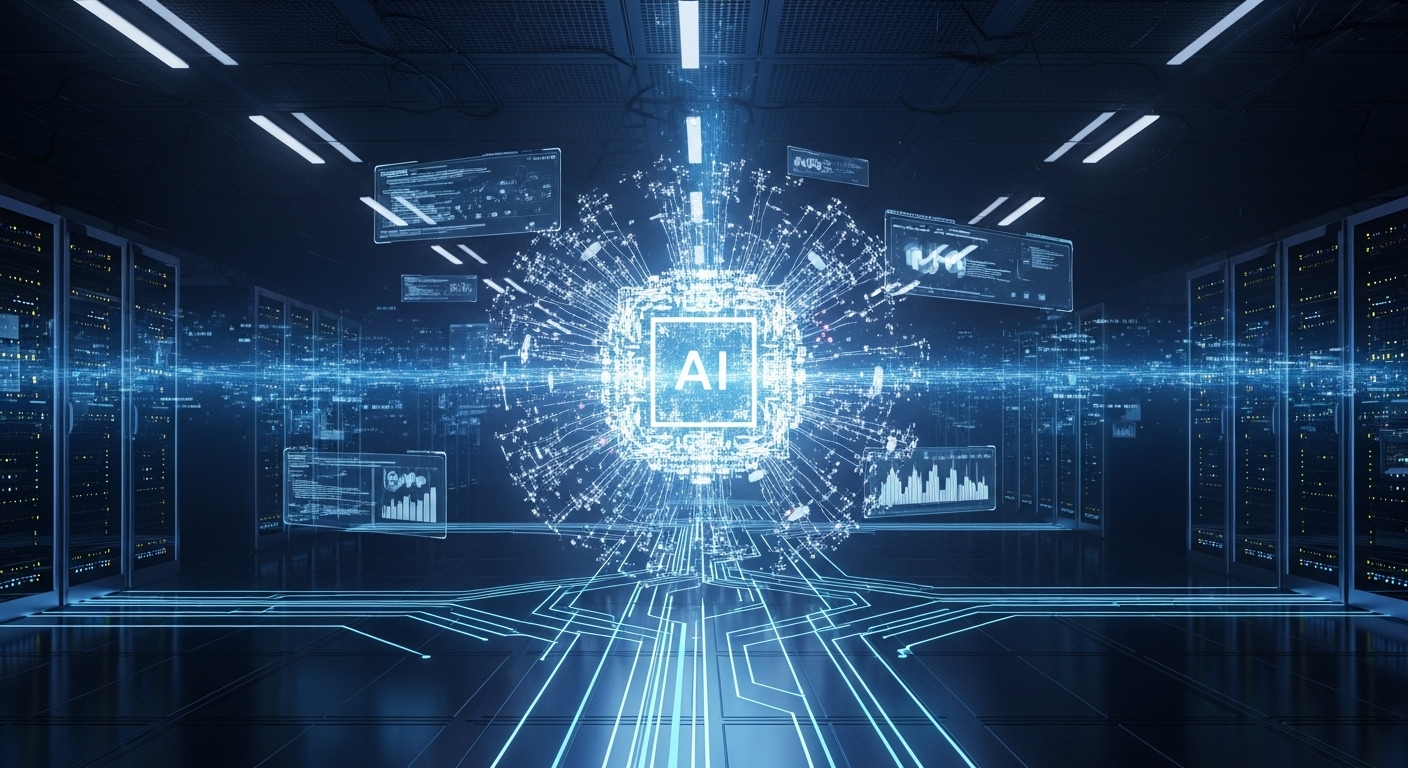
Artificial intelligence (AI) is one of the most significant advancements in recent decades. It enables machines to simulate human intelligence, learn from data, and perform tasks that once required human judgment. AI systems can recognize speech, translate languages, identify images, and even predict outcomes based on patterns.
In industries, AI has revolutionized efficiency and productivity. In healthcare, it helps doctors diagnose diseases earlier by analyzing medical data. In business, it assists companies in forecasting trends, optimizing operations, and improving customer experiences. In education, AI creates personalized learning experiences that cater to each student’s pace and style.
However, AI also raises critical ethical questions. As machines become more capable, society must decide how far automation should go. The key challenge lies in maintaining human oversight and moral responsibility in a world increasingly influenced by intelligent systems.
The Internet of Things: Building a Connected World
The Internet of Things (IoT) represents the next step in global digital connectivity. It refers to a vast network of devices—ranging from smartphones and appliances to vehicles and industrial machines—that communicate and share data with one another. These devices operate seamlessly to make our lives more efficient, comfortable, and informed.
In a smart home, IoT allows residents to control lighting, temperature, and security systems through simple voice commands. In agriculture, IoT sensors monitor soil health, irrigation, and weather patterns to increase crop yields. In cities, IoT technologies manage traffic, reduce energy consumption, and enhance public safety.
While IoT brings enormous benefits, it also introduces challenges regarding privacy and cybersecurity. With billions of devices connected globally, ensuring secure data transmission and preventing unauthorized access have become crucial priorities for businesses and governments alike.
The Role of Cloud Computing in Digital Transformation
Cloud computing is another revolutionary force shaping the modern digital landscape. It allows users to store and process data remotely instead of relying on local servers or personal computers. The “cloud” makes it possible for individuals and organizations to access information anytime, anywhere, and from any device.
This innovation has transformed industries by offering scalability, cost efficiency, and collaboration. Companies no longer need to invest heavily in physical infrastructure; instead, they can rent computing power as needed. For individuals, cloud-based services like online storage, document editing, and media streaming have simplified daily life.
Cloud computing also enables breakthroughs in artificial intelligence, big data analysis, and remote work. It supports innovation while making technology accessible to smaller enterprises and startups. However, data protection and privacy remain ongoing challenges, requiring strict security measures and transparency from service providers.
Cybersecurity: Defending the Digital Frontier
As digital connectivity expands, so do the threats that accompany it. Cybersecurity has emerged as one of the most critical aspects of modern technology. Cyberattacks target individuals, corporations, and even national infrastructures, exploiting vulnerabilities in networks and systems.
To combat these threats, cybersecurity professionals employ advanced techniques like encryption, biometric verification, and AI-based threat detection. Governments and organizations are investing heavily in developing stronger defense mechanisms to protect sensitive data. However, technology alone is not enough; public awareness and responsible behavior play a vital role in maintaining cybersecurity. Simple habits such as using strong passwords, updating software regularly, and avoiding suspicious emails can significantly reduce risk.
Cybersecurity is not merely a technical necessity—it is the foundation of trust in a digital world. Without it, innovation would lose credibility and progress would come to a standstill.
The Digital Workplace: Redefining How We Work
Technology has transformed the workplace into a dynamic, global environment. The rise of digital communication tools, cloud platforms, and artificial intelligence has made remote work and virtual collaboration a new norm. Employees can now work from different parts of the world while staying connected in real time.
Automation and AI have also redefined traditional job roles. While some repetitive tasks have been replaced by machines, new opportunities have emerged in areas like data science, digital marketing, and cybersecurity. The demand for digital skills is growing rapidly, and lifelong learning has become essential for career growth.
Technology has also fostered inclusivity in the workplace. People with disabilities now have access to assistive technologies that allow them to perform tasks effectively. Collaboration tools have made it easier for diverse teams to work together, breaking down geographical and cultural barriers.
Education in the Digital Age
Education has undergone a massive transformation due to technology. Online learning platforms, interactive applications, and virtual classrooms have made knowledge accessible to millions worldwide. Students can now learn at their own pace, revisit lessons anytime, and explore subjects beyond traditional curricula.
Teachers, too, benefit from digital tools that enhance teaching efficiency and creativity. Artificial intelligence helps identify students’ strengths and weaknesses, allowing for personalized instruction. Virtual reality and augmented reality are bringing abstract concepts to life, making learning more engaging and experiential.
However, the digital divide—unequal access to technology—remains a concern. Bridging this gap is essential to ensure that all learners, regardless of geography or income, benefit from digital education. Governments and institutions must continue to invest in digital infrastructure and literacy to create equal opportunities for everyone.
Sustainable Technology: Innovating for the Planet
As the world faces climate change and resource depletion, technology is emerging as a vital ally in promoting sustainability. Green technologies such as renewable energy, electric vehicles, and sustainable manufacturing practices are helping reduce the planet’s carbon footprint.
In energy production, solar and wind power are replacing fossil fuels, while smart grids ensure efficient distribution. In agriculture, precision farming uses sensors and data analytics to minimize waste and maximize productivity. Waste management systems are becoming smarter, turning waste into usable energy and materials.
Technology is also encouraging consumers to make eco-friendly choices. From smart home devices that reduce energy use to apps that track carbon emissions, innovation is driving environmental awareness. The path to a sustainable future depends on harnessing technology responsibly to protect our planet for future generations.
The Ethical Dimension of Technology
While technology offers immense benefits, it also presents complex ethical challenges. Issues such as data privacy, surveillance, automation-driven unemployment, and digital addiction demand careful consideration. As technology becomes more integrated into human life, questions about morality and accountability become increasingly relevant.
Should machines be allowed to make life-and-death decisions in areas like autonomous driving or healthcare? How can we ensure that AI systems are free from bias and discrimination? These are not just technical questions—they are moral ones that define the direction of human progress.
To navigate these challenges, governments, companies, and individuals must prioritize ethical technology development. Transparency, inclusivity, and respect for human values should guide innovation to ensure that technology uplifts humanity rather than undermines it.
The Future of Technology: Imagining What Comes Next
The future of technology holds limitless potential. Quantum computing promises to solve problems that today’s supercomputers cannot. Biotechnology is merging biology with engineering to create new medical breakthroughs. Space technology is opening new frontiers, as humanity looks beyond Earth for exploration and survival.
Virtual and augmented reality will redefine how we interact with digital environments, blurring the lines between the physical and virtual worlds. Artificial intelligence will continue to evolve, offering tools that augment human creativity and decision-making. However, with these advancements comes the need for global cooperation and ethical responsibility.
The future will not be about humans competing with machines but collaborating with them to create a better world. The most powerful technology will always be one that enhances, not replaces, humanity.
Conclusion: Embracing the Digital Renaissance with Purpose
Technology has always been humanity’s greatest ally in progress. It empowers us to dream bigger, solve complex problems, and connect beyond boundaries. Yet, it also reminds us that progress without purpose can be dangerous. As we step further into this digital renaissance, our challenge is to use innovation wisely—to create a world that is not only smarter but also fairer, greener, and more compassionate.
The story of technology is ultimately the story of humanity itself. Every invention reflects our creativity, resilience, and desire to improve life. The digital age gives us the tools to build a brighter future—but the wisdom to use them responsibly will define whether we truly thrive in the world we are creating.