Introduction: A Journey Through Time
The rapid advancement of technology has been one of the defining factors of human history. From the steam engines of the Industrial Revolution to the artificial intelligence (AI) systems shaping our future, technology has transformed society in ways once thought impossible. In this blog, we’ll explore the evolution of technology, its milestones, and the promising future it holds.
The Dawn of Innovation: The Industrial Revolution
The Industrial Revolution marked the beginning of an era where technology began to shift from small-scale, manual production to large-scale, machine-based manufacturing. This transformation began in the late 18th century and brought profound changes to almost every aspect of society. Steam engines, mechanized looms, and the rise of factories changed the way people lived and worked.
Before this revolution, most production was done in small workshops. However, with the advent of machines powered by steam and later electricity, factories began to emerge. This not only led to increased production but also sparked mass urbanization as people moved from rural areas to work in factories in the cities.
The Rise of Digital Technology: The 20th Century
The 20th century was a transformative period for technology. The invention of the computer in the mid-1900s set the stage for a new wave of innovation. The first computers were massive and slow, designed for specific scientific or military purposes. But as the decades went on, personal computers became more affordable, and by the 1980s and 1990s, they were in homes and businesses around the world.
The internet, which emerged as a result of research into computer networking in the 1960s, became one of the most groundbreaking technological advancements. By the late 1990s and early 2000s, the internet connected the world in ways never before imagined. Communication, commerce, and entertainment became more global, fast, and accessible.
The Mobile Revolution: Smartphones and Connectivity
In the 21st century, the rise of smartphones revolutionized the way people interact with technology. Devices like the iPhone, which launched in 2007, combined communication, entertainment, navigation, and countless other functions into one portable package. This integration of multiple technologies, such as GPS, cameras, and mobile internet, changed the way people lived their daily lives.
Smartphones did more than just change the way we communicate. They became the gateway to the vast expanse of the digital world, offering instant access to information, entertainment, and social networks. Mobile apps, cloud computing, and services like social media platforms exploded in popularity, reshaping society’s digital landscape.
Artificial Intelligence: The New Frontier
Today, artificial intelligence (AI) is at the forefront of technological innovation. AI has already made its presence felt in a variety of industries, including healthcare, finance, entertainment, and more. Machine learning algorithms can now diagnose diseases, predict stock market trends, and create personalized recommendations for everything from movies to shopping.
AI’s most exciting potential lies in automation and human augmentation. We are starting to see AI-powered systems that can perform tasks previously thought to require human intelligence, such as driving cars or composing music. As AI continues to evolve, it could dramatically change the labor market, with many jobs being automated while new opportunities in AI development, robotics, and related fields emerge.
The Future: Technology and Society in 2050
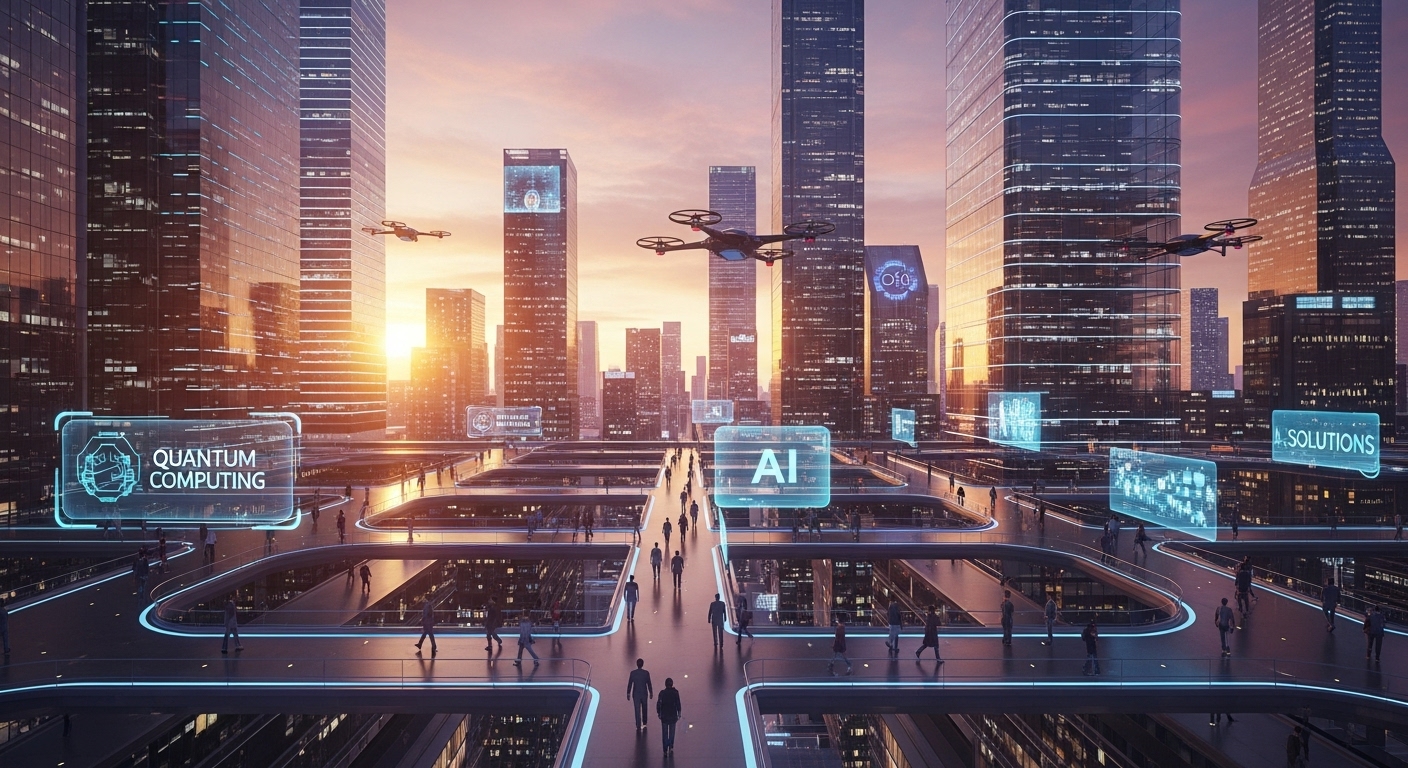
Looking ahead, the next few decades hold immense promise and uncertainty. The continued development of AI, quantum computing, and biotechnology could reshape everything from healthcare to our understanding of the universe. Autonomous vehicles, smart cities, and the fusion of biological and technological systems could become everyday realities.
However, with these advancements come new challenges. Ethical questions surrounding AI, data privacy, and the potential for job displacement must be addressed. Furthermore, the digital divide remains an issue, with unequal access to technology still prevalent in many parts of the world.
As we march toward 2050, the intersection of technology and society will be a defining aspect of human progress. The choices we make today will determine how technology impacts future generations.
Conclusion: Embracing the Future of Technology
The evolution of technology is a testament to human ingenuity and determination. From the steam engine to the smartphone and AI, each technological breakthrough has led to new possibilities, challenges, and opportunities. As we look toward the future, we must ensure that technological advancements are used responsibly, ethically, and for the benefit of all. The journey of technological evolution is far from over, and the best is yet to come.