Introduction: Entering the Technological Era
Technology has become the defining element of contemporary life. It permeates every aspect of our daily routines—from how we communicate, work, and learn to how we entertain ourselves, travel, and manage our health. In a world powered by constant innovation, technology is no longer just a tool; it is the foundation on which modern society operates.
The rapid pace of technological advancement has fundamentally transformed how humans live and interact. Smartphones, artificial intelligence, cloud computing, and the Internet of Things have become indispensable in both personal and professional domains. This blog explores the evolution of technology, its current impact, and the endless possibilities it holds for the future.
The Evolution of Technology: From Simple Tools to Intelligent Systems
The history of technology is the story of human progress. From the invention of the wheel and the printing press to early industrial machinery, each innovation allowed societies to achieve more with greater efficiency. These tools shaped culture, commerce, and the trajectory of civilizations.
The Industrial Revolution mechanized production, vastly increasing output and reshaping economies. Yet, the digital revolution brought about the most significant shift, introducing computers, software, and the internet. These advancements allowed information to be processed, stored, and shared at speeds previously unimaginable, connecting the world like never before.
Today, technology is intelligent, interconnected, and automated. Devices such as smartphones, AI systems, smart home solutions, and cloud computing platforms are not merely tools—they are integral components of modern life, enabling efficiency, innovation, and global connectivity.
Artificial Intelligence: Redefining Human Potential
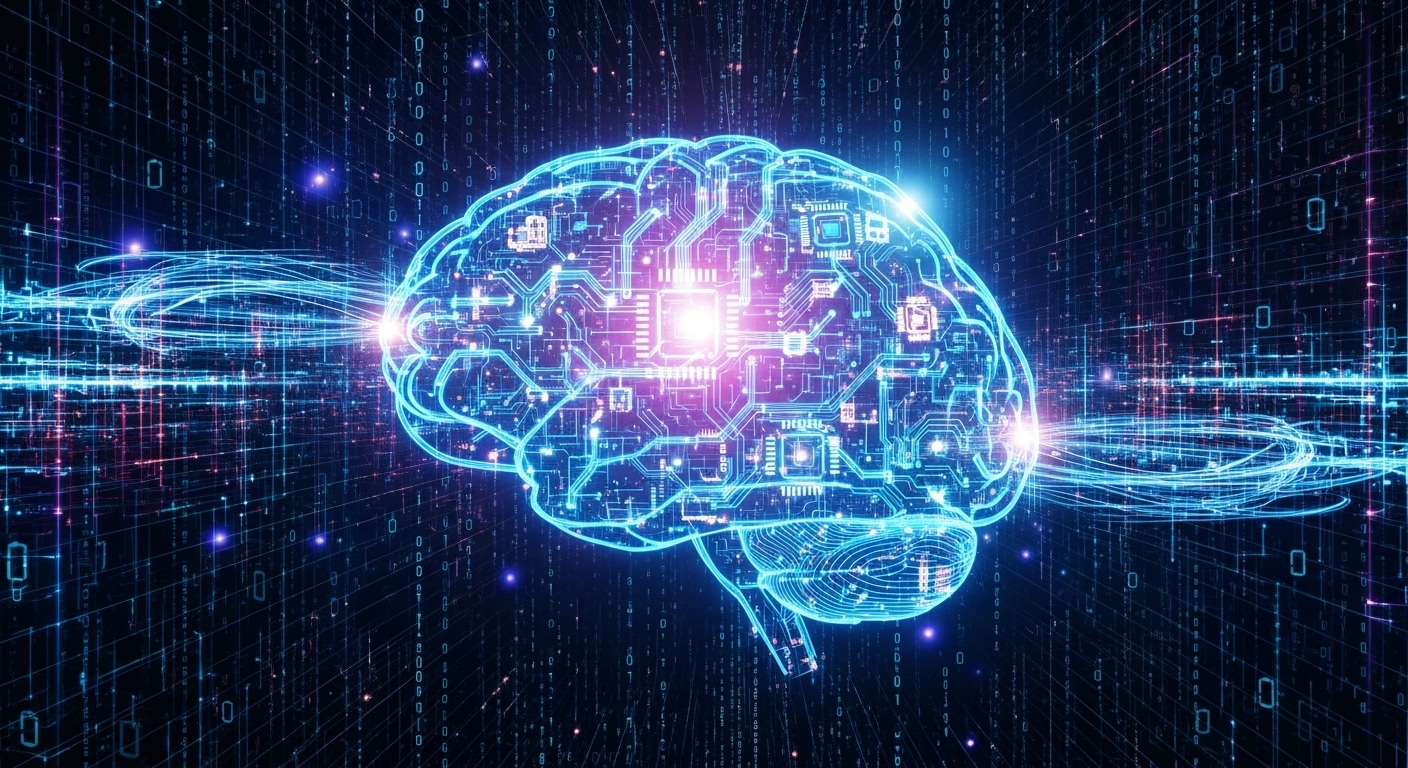
Artificial intelligence (AI) is arguably one of the most transformative technologies of our time. AI systems can process large volumes of data, detect patterns, and make decisions faster and more accurately than humans in specific tasks.
In healthcare, AI is revolutionizing patient care by aiding in diagnostics, predicting disease progression, and personalizing treatment plans. Businesses employ AI to optimize supply chains, enhance customer experiences, and detect fraudulent activity. On a personal level, AI powers virtual assistants, smart home devices, and personalized recommendations that simplify daily life.
Looking forward, AI promises to go beyond assisting humans—it may augment creativity, scientific discovery, and problem-solving on a global scale. Its potential to transform industries and societal structures is unparalleled, making AI a central focus of modern technological advancement.
Robotics and Automation: Shaping the Future of Work
Automation and robotics are redefining the workforce. Robots perform repetitive, hazardous, or highly precise tasks with efficiency, accuracy, and consistency. In manufacturing, robotic assembly lines have transformed production, while surgical robots are enhancing precision in healthcare.
Automation extends into logistics, agriculture, and service industries. Autonomous vehicles, drones, and automated warehouse systems improve operational efficiency while allowing humans to focus on strategic and creative work.
As robotics and automation advance, the workforce must adapt. Skills in technology management, data analysis, and programming are becoming essential, while lifelong learning is increasingly critical to remain competitive in an automated world.
The Internet of Things: Connecting Devices and Environments
The Internet of Things (IoT) is revolutionizing the way physical devices communicate with each other. IoT-enabled devices collect and share data, creating intelligent ecosystems that are responsive to user needs and environmental conditions.
Smart home devices, wearable health trackers, and security systems optimize energy consumption, monitor vital signs, and enhance convenience. Industrial applications include predictive maintenance, supply chain optimization, and enhanced operational efficiency. Cities are adopting IoT for traffic management, energy conservation, and public safety, creating smarter, more sustainable urban environments.
By bridging the physical and digital worlds, IoT demonstrates how interconnected technology can improve both individual lives and societal efficiency.
Cloud Computing: Enabling Global Innovation
Cloud computing has fundamentally changed the way data and applications are stored and accessed. Instead of relying solely on local infrastructure, cloud platforms allow users to access resources from anywhere, enabling flexibility, scalability, and collaboration.
Businesses, educational institutions, and individuals leverage cloud computing for real-time collaboration, data management, and complex computation. Cloud technology supports AI, IoT, and big data analytics, providing the backbone for many modern innovations.
Cloud computing also levels the playing field. Small businesses and startups can access the same computing power as large corporations, fostering creativity, innovation, and global competitiveness.
5G and Connectivity: Powering the Digital Ecosystem
High-speed connectivity is critical for modern technology, and 5G networks are transforming the digital landscape. Faster speeds, lower latency, and the ability to connect millions of devices simultaneously are enabling innovations that were once impossible.
Autonomous vehicles, remote surgeries, virtual reality experiences, and smart city infrastructure rely on high-speed, low-latency connectivity. 5G ensures seamless interaction between devices, systems, and people, supporting a hyperconnected global ecosystem.
Connectivity is now a necessity, not a luxury. It forms the foundation upon which modern technology operates, linking everything from personal devices to large-scale industrial systems.
Technology in Healthcare: Improving Lives Through Innovation
Healthcare has been profoundly reshaped by technology. Telemedicine allows remote consultations, wearable devices monitor patient health, and AI enhances diagnostics and treatment strategies.
Robotic-assisted surgeries improve precision, while big data analytics enables better decision-making in public health. Technology allows healthcare providers to respond to global challenges more effectively, from managing epidemics to improving individual patient care.
These advancements have not only improved outcomes but also increased accessibility and efficiency, transforming the healthcare industry into a more proactive and patient-centered system.
Education and Technology: Learning in a Digital Age
Digital technology has revolutionized education, creating interactive, personalized, and accessible learning environments. Online courses, digital classrooms, and educational applications allow students to study at their own pace, anywhere in the world.
Teachers can monitor student progress, adjust teaching methods, and use simulations and multimedia content to engage learners. Virtual laboratories, gamified learning, and interactive exercises make complex concepts easier to understand, fostering critical thinking and creativity.
Technology also bridges educational gaps, offering quality resources to students in remote or underserved regions. The future of education is digital, dynamic, and fully integrated with technology to prepare learners for a connected world.
Smart Cities: Building Sustainable and Efficient Urban Spaces
Urban centers are being transformed into smart cities through the integration of technology. Sensors, automation, and data analytics optimize traffic, energy usage, public safety, and resource management.
Intelligent traffic management systems reduce congestion, connected utilities minimize energy consumption, and waste management systems optimize collection and recycling. These innovations create urban environments that are more efficient, sustainable, and livable.
Smart cities demonstrate the potential of technology to enhance the quality of life, ensuring that growth and development coexist with environmental responsibility and citizen well-being.
The Future of Technology: Opportunities and Challenges
The future promises remarkable technological breakthroughs. Quantum computing could solve problems beyond the capacity of classical computers. AI will become more intuitive, supporting complex problem-solving, creativity, and decision-making.
Autonomous systems, renewable energy solutions, biotechnology, and immersive virtual experiences will continue to transform industries, economies, and lifestyles. Ethical development, privacy, and sustainability will be critical to ensuring technology serves humanity responsibly.
Technology offers solutions to global challenges, enhances human potential, and connects the world in ways that were once unimaginable. The possibilities are limitless, and society’s ability to adapt and innovate will shape the course of progress.
Conclusion: Embracing the Technological Future
Technology is no longer optional; it is central to modern life. It impacts how we communicate, work, learn, and interact with the world. The ongoing digital revolution presents both opportunities and responsibilities.
By embracing technological innovation thoughtfully, societies can maximize benefits while minimizing risks. Technology is not just about gadgets or automation—it is a means to enhance human potential, solve global problems, and improve quality of life.
The future belongs to those who adapt, innovate, and integrate technology responsibly. As the digital horizon expands, the journey promises a smarter, more connected, and sustainable world, where human ingenuity and technological progress go hand in hand.